

Flooring decisions shape how a home looks, feels, and functions every single day. While paint colors and furniture can be changed easily, flooring is a long-term investment that influences comfort, durability, and even maintenance routines. For homeowners planning a remodel or upgrade, understanding how different flooring types perform in different spaces can make all the difference.
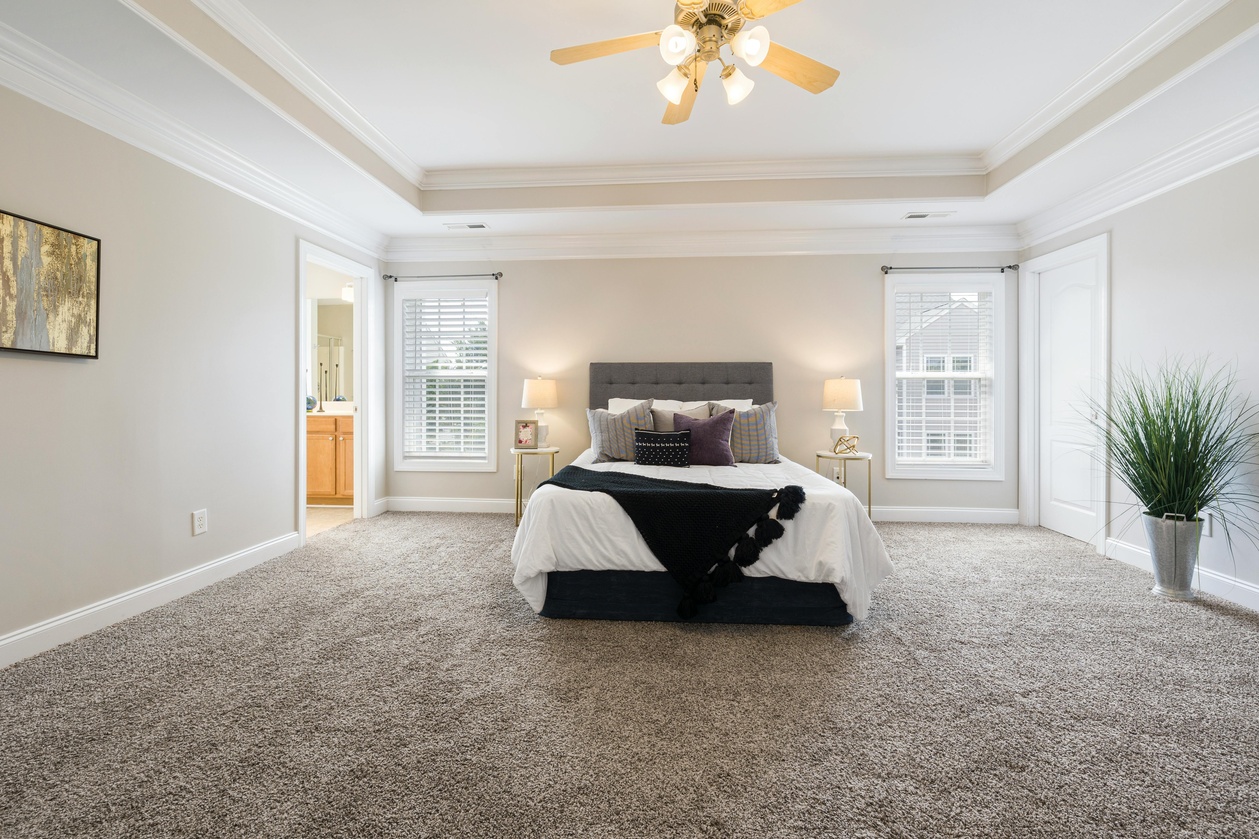
Carpet remains one of the most comfortable flooring options available, especially for bedrooms and living areas where warmth and softness matter. It absorbs sound, making it ideal for homes with multiple occupants or upper floors. Carpet also adds a sense of coziness that hard surfaces often can’t replicate. However, it does require regular maintenance and may not be the best choice for areas exposed to moisture or heavy foot traffic. Advances in stain-resistant fibers have made modern carpet far more practical than it used to be, giving homeowners more confidence in using it in active households.
Hardwood flooring continues to be a top choice for those seeking timeless elegance. It offers natural beauty that improves with age, and it can significantly increase a home’s resale value. Hardwood works well in living rooms, dining areas, and even bedrooms, providing a clean and cohesive look. One of its biggest strengths is longevity—when properly maintained, hardwood can last for decades and can even be refinished multiple times. That said, it is sensitive to moisture and temperature changes, which means it requires careful placement and proper installation.
Laminate flooring has gained popularity as a cost-effective alternative to hardwood. It replicates the look of wood while offering greater resistance to scratches and wear. This makes it an excellent option for households with pets or children. Laminate is also relatively easy to install, which can help reduce overall project costs. While it may not have the same long-term lifespan as hardwood, modern laminate products have improved significantly in both appearance and durability.
Vinyl flooring has become one of the most versatile choices on the market. Luxury vinyl planks and tiles can mimic the look of wood or stone while providing superior water resistance. This makes vinyl ideal for kitchens, bathrooms, and laundry areas where moisture is a concern. It’s also comfortable underfoot and quieter than many hard surfaces, adding to its appeal for busy homes. Vinyl’s durability and low maintenance requirements make it a practical choice for both small upgrades and full-home remodels.
When selecting flooring, it’s important to consider how each room is used. High-traffic areas benefit from durable materials like vinyl or laminate, while quieter spaces can take advantage of the comfort of carpet or the elegance of hardwood. The goal is to create a balance between style and functionality, ensuring that each space meets the needs of the household.
Another key factor is how different flooring types transition from one room to another. A well-designed home uses flooring to create flow, guiding movement and enhancing the overall layout. Mixing materials can work beautifully when done intentionally, but abrupt or mismatched transitions can disrupt the visual harmony of a space.
Remodeling projects often provide the perfect opportunity to rethink flooring choices. Instead of simply replacing what’s already there, homeowners can take a more strategic approach—considering how flooring interacts with lighting, wall colors, and furniture. This holistic perspective leads to more cohesive and satisfying results.
Installation quality plays a crucial role in how flooring performs over time. Even the best materials can fail if not installed correctly. Proper subfloor preparation, accurate measurements, and precise placement are essential to achieving a durable and visually appealing finish. Professional installation ensures that these details are handled correctly, reducing the risk of issues down the line.
Maintenance is another consideration that shouldn’t be overlooked. Each flooring type has its own care requirements, and understanding these in advance helps homeowners make informed decisions. For example, hardwood may require occasional refinishing, while vinyl and laminate are typically easier to maintain with regular cleaning.
Ultimately, the right flooring choice depends on a combination of lifestyle, budget, and design preferences. By understanding the strengths and limitations of each option, homeowners can create spaces that are not only beautiful but also practical for everyday living.
EFS Flooring America proudly supports homeowners in McKinney, Melissa, Anna, Salina, Allen, Princeton, Frisco, Prosper, and Plano with expert guidance, quality materials, and professional installation services tailored to every project.


