

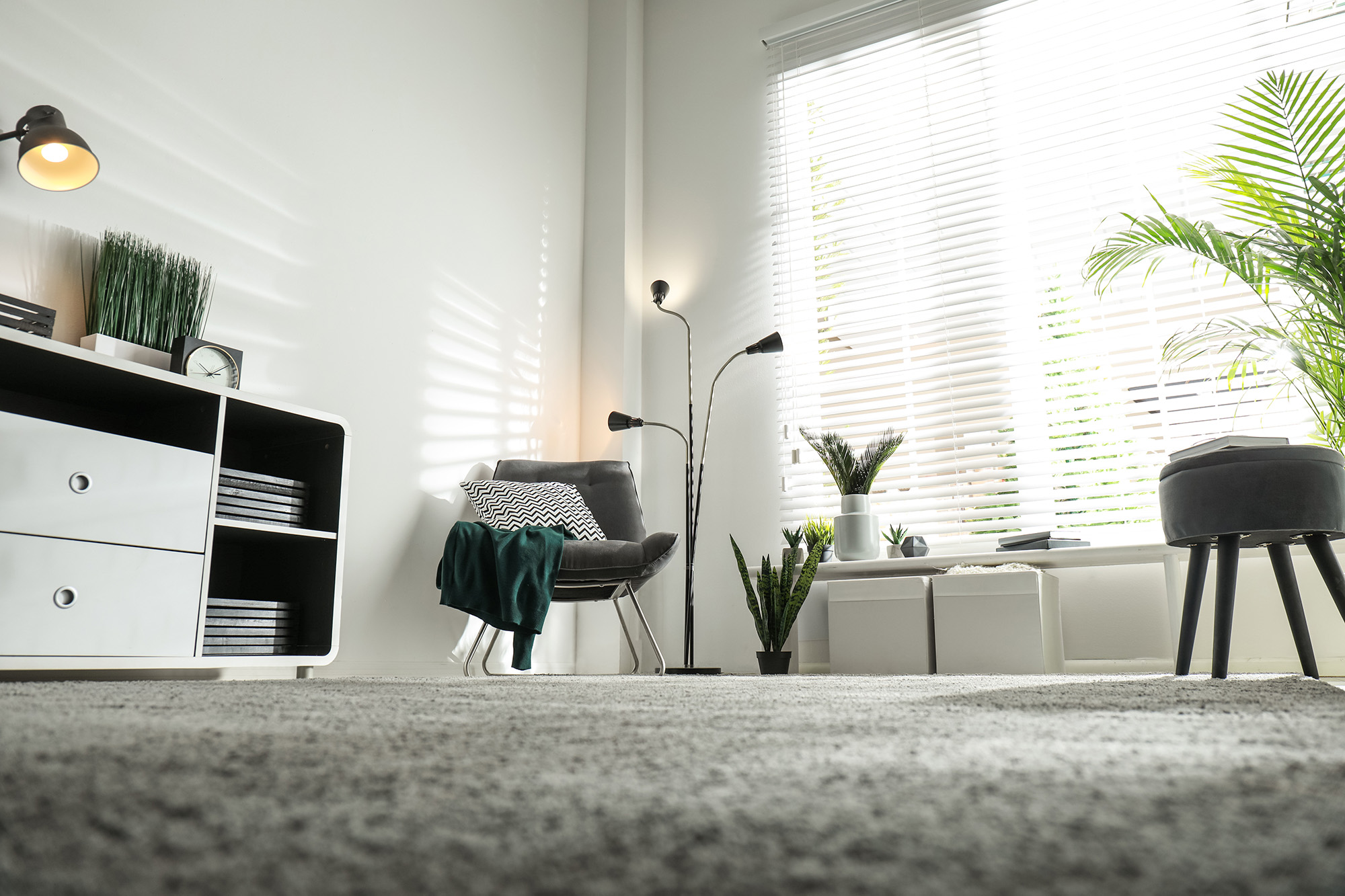
A home office needs to do more than look professional on a video call. It should support concentration, reduce everyday distractions, feel comfortable during long work sessions, and fit naturally into the rest of the home. While desks, chairs, lighting, and storage often receive the most attention, flooring also influences how the room feels and sounds.
Carpet can be a useful option for homeowners who want a quieter, softer work environment. It introduces texture, helps absorb some room sound, and can make a spare bedroom or dedicated office feel more welcoming. For homeowners in McKinney and the surrounding North Texas communities, choosing the right carpet means balancing comfort and appearance with chair movement, maintenance, and the way the room is used.
EFS Flooring America offers a range of flooring options for home improvement projects. Before selecting a carpet, it helps to understand what contributes to a comfortable office and which details deserve attention beyond color and softness.
Consider the Sound of Your Workspace
Noise can make a home office feel less private and more distracting. Footsteps in the hallway, movement from neighboring rooms, and the sound of a chair rolling across a hard surface can become noticeable during calls or focused work. Carpet can absorb some sound within the room, helping reduce the sharp reflections that often occur on hard surfaces.
It is important to distinguish between sound absorption and soundproofing. Carpet may help soften footfall noise and reduce reverberation, but it will not make a room completely soundproof. Voices traveling through walls, gaps around doors, and noise from mechanical systems may require other solutions.
For a home office used for virtual meetings, combine flooring with practical acoustic improvements. Soft window treatments, bookshelves, upholstered furniture, and a well-fitted door can contribute to a more comfortable sound environment. The right combination depends on the room's layout and the type of noise that causes the most disruption.
Carpet is especially worth considering when an office shares a wall or floor with an active family area. It can soften the room's acoustics while providing a comfortable surface underfoot during long periods at a desk.
Choose a Carpet Texture That Fits the Way You Work
Carpet is not one uniform surface. Pile height, density, fiber, and construction all influence how it feels and performs. A soft, plush style may create a relaxed atmosphere, while a lower-profile carpet may be more practical for a room with rolling office furniture.
Think about how much time you spend seated, whether you frequently move between the desk and storage, and whether the room doubles as a guest bedroom or hobby space. A home office that sees occasional use may have different needs from a workspace used every weekday.
Texture also affects the visual character of the room. A subtle pattern can add interest without distracting from screens or video calls. A simple solid color can provide a calm background for bookshelves, artwork, and furniture. The best choice supports the way you want the room to feel without making maintenance unnecessarily difficult.
Explore the carpet flooring options at EFS Flooring America when comparing colors and styles for your office. Seeing and feeling samples can help you judge the difference between a surface that looks inviting and one that will suit the practical demands of your workspace.
Plan for Rolling Chairs and Desk Movement
One of the most important considerations in a carpeted office is the chair. A thick, plush carpet may feel comfortable underfoot but can make a rolling chair harder to move. A dense, lower-profile carpet may provide a more suitable surface, depending on the chair's wheels and the carpet construction.
If you use an office chair for several hours a day, test the combination before making a final decision. Consider the effort required to move the chair, how easily it turns, and whether the wheels sink into the pile. A suitable chair mat may be helpful, but its compatibility with the carpet should be checked to avoid instability or damage.
Furniture placement matters as well. Leave enough space for the chair to move backward without hitting a wall or blocking a doorway. Position filing cabinets and shelves so frequently used items remain accessible. A carefully arranged office reduces unnecessary movement and helps the room feel more organized.
For a room that serves as both an office and a guest bedroom, think about how furniture will be moved when the space changes function. A durable carpet with a practical texture may be more versatile than a very deep pile that is difficult to navigate with wheeled furniture.
Use Color to Create a Focused Atmosphere
Color affects the overall character of a home office. Warm neutrals, muted taupes, soft beige, and understated gray can provide a flexible foundation for a range of furniture styles. Earth-inspired tones may create a relaxed atmosphere, while a darker carpet can add definition to a room with light walls and cabinetry.
The choice should reflect the room's natural light and dimensions. A smaller office with limited daylight may feel more open with a lighter carpet, while a larger room can accommodate deeper tones without feeling enclosed. However, the final effect depends on wall color, window placement, lighting, and furniture as well as the flooring itself.
Think about the background that will appear during video meetings. A carpet that complements the walls and furniture can help the room look coordinated without drawing attention away from the person speaking. Patterned carpet can work well, but highly contrasting designs may become visually busy when combined with shelves, artwork, and other details.
Rather than choosing a color from a screen alone, view physical samples in the room. Check them in morning daylight, afternoon light, and under the lamps used during evening work. This makes it easier to select a shade that remains appealing throughout the day.
Balance Comfort With Cleaning Requirements
Home offices accumulate a different mix of everyday debris from kitchens or entryways. Dust, paper fragments, snack crumbs, and tracked-in dirt can settle into the carpet. If the room is used frequently, a style that is straightforward to vacuum and maintain may be preferable to one that requires unusually delicate care.
Ask about the fiber, construction, stain-resistance features, and recommended cleaning methods before choosing a product. The manufacturer's instructions should guide vacuuming, spot treatment, and professional cleaning. Using an unsuitable cleaner or too much moisture can damage the carpet or its backing.
Keep food and drinks away from computer equipment whenever possible, and clean spills promptly using the method recommended for the carpet. A small wastebasket near the desk can reduce paper clutter, while a regular cleaning routine helps prevent dust and debris from building up around the chair and under furniture.
Also consider whether the office is used by children or pets. A room that occasionally becomes a homework area, play space, or pet resting spot may need a different combination of color, texture, and stain resistance than a dedicated professional workspace.
Think About Comfort Underfoot
Even when most of the workday is spent seated, comfort matters. You may stand to take calls, stretch between tasks, or move around the room to access storage. Carpet provides a softer surface than many hard flooring materials and can make the room feel more inviting, particularly when the office is located in a spare bedroom or converted living area.
The cushion or padding beneath the carpet also influences the finished feel. The correct combination depends on the carpet construction, the manufacturer's recommendations, and the intended use of the room. A thicker cushion is not automatically better; the system needs to support the carpet properly and withstand the movement of furniture.
Consider the room's temperature and overall atmosphere as well. Soft furnishings and carpet can contribute to a cozy setting, but ventilation, window coverings, and lighting remain important to a workspace that feels comfortable throughout the year.
Plan the Office Around Technology and Storage
A successful office layout begins with the practical needs of the work itself. Before installing new flooring, decide where the desk, monitor, printer, filing cabinets, and storage units will sit. This can help identify areas that need protection from furniture legs or frequent movement.
Plan cable routes and power access before heavy furniture is placed. Avoid running loose cords through walking paths, and ensure that outlets are accessible without moving large items. If electrical work is needed, arrange it as part of the wider remodeling plan rather than relying on temporary solutions that create clutter.
Built-in shelves or cabinetry can create a more organized appearance, but they should be coordinated with flooring decisions. If the room is being renovated from top to bottom, confirm the order of painting, carpentry, flooring, and furniture installation with the contractor. Protect the carpet from dust, paint, and tools during any work that continues after installation.
In a multifunctional room, flexibility is particularly valuable. Storage that closes away paperwork, a desk that fits the room's proportions, and a clear path to the door can help the space transition easily between work and personal use.
Know When Another Flooring Type May Be More Suitable
Carpet can be an excellent choice for comfort and sound absorption, but it is not ideal for every home office. Rooms that frequently experience spills, heavy wheeled equipment, or moisture may benefit from a different surface. A homeowner who wants a consistent hard-surface floor throughout the main living areas may also prefer to continue that material into the office.
The best flooring decision depends on how the room functions. Consider the frequency of use, maintenance expectations, furniture, acoustics, and the visual relationship with adjacent spaces. There is no need to choose carpet simply because the room is called an office, just as a hard floor is not automatically more professional.
If the office is part of a larger remodel, compare the flooring options together instead of selecting each room separately. The result should support both the practical needs of the workspace and the overall design of the home.
Include Flooring in the Remodeling Plan Early
Replacing carpet is often easier when the room is empty, so coordinate the project with any planned changes to paint, lighting, doors, or built-in furniture. If the office is being created from a spare bedroom, attic area, or part of a larger living space, identify the scope of work before scheduling installation.
Ask how the existing floor will be removed, whether the subfloor needs repair, and how the new carpet will meet adjoining surfaces. Transitions, closet openings, door clearances, and stairs can all affect the finished result. These details are easier to address before installation than after the room is furnished.
For homeowners coordinating several improvements at once, a clear project schedule can help reduce disruption. Confirm which rooms will be unavailable, where furniture can be stored, and how the finished carpet will be protected if other work remains underway.
Create a Workspace That Works for You
The ideal home office is personal. Some homeowners need a quiet room for calls and concentrated work, while others need a flexible space for studying, creative projects, or occasional remote work. Carpet can contribute to a softer and more acoustically comfortable setting when the selected construction suits the furniture and daily routine.
Choose flooring as part of the whole room rather than as a decorative afterthought. Consider sound, chair movement, maintenance, color, comfort, and the relationship between the office and the rest of the house. A thoughtful choice can make the room feel more finished and support the habits that make working from home easier.
EFS Flooring America serves homeowners in McKinney, Melissa, Anna, Salina, Allen, Princeton, Frisco, Prosper, and Plano. If you are planning a new office or updating an existing workspace, browse the carpet flooring collection and contact EFS Flooring America to discuss your project and find a flooring solution that fits your home and working style.


