

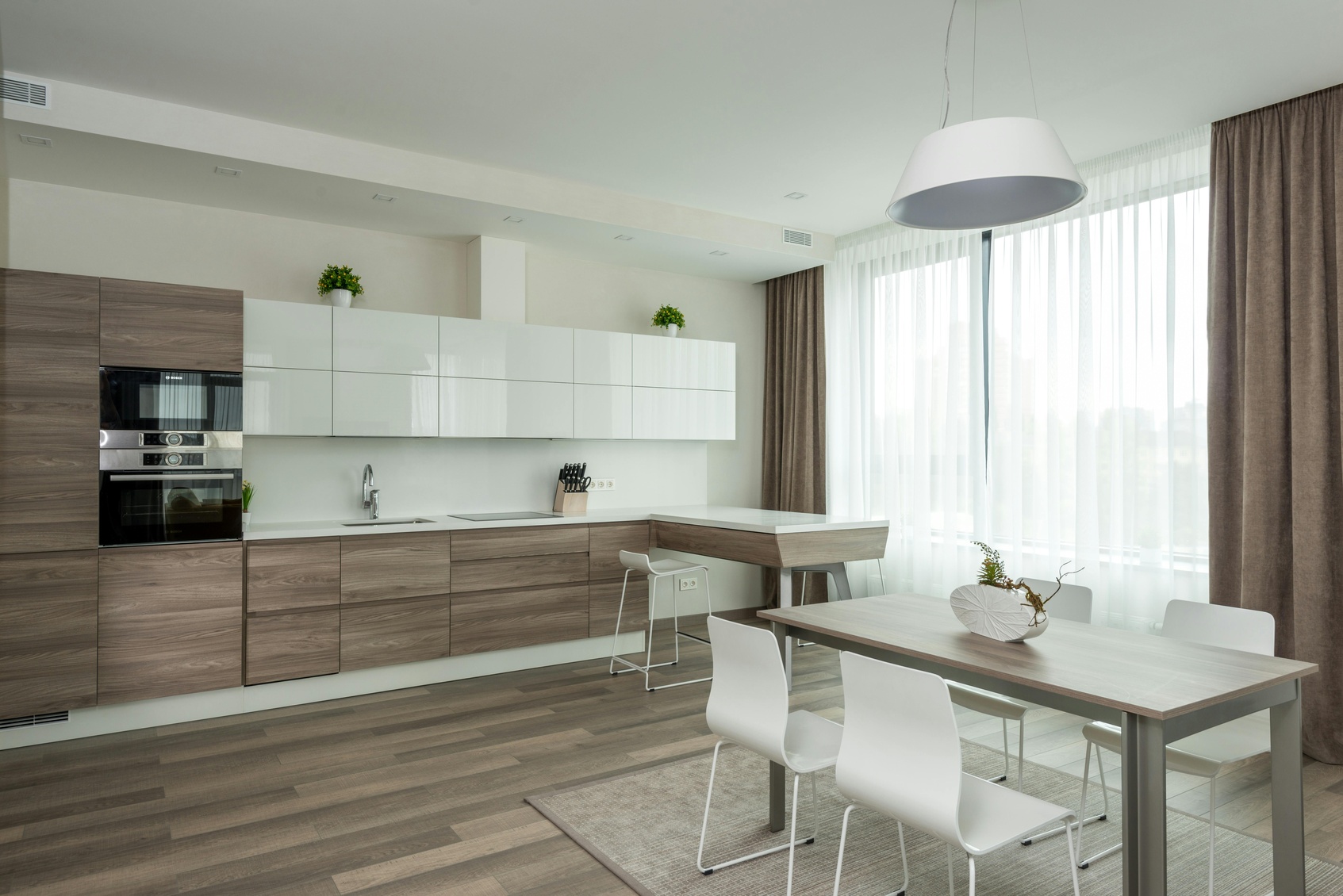
When embarking on a full home remodeling project, many homeowners focus on the flashy elements first – the gleaming kitchen appliances, the statement lighting fixtures, or the perfect paint colors. However, seasoned contractors and design professionals know a secret: your flooring choice is the silent conductor orchestrating the entire symphony of your home's transformation. It's not just about what's underfoot; it's about creating a cohesive foundation that influences every other design decision you'll make throughout your remodeling journey.
The Ripple Effect of Flooring Selection
Picture this scenario: You've fallen in love with a gorgeous marble backsplash for your kitchen, selected pristine white cabinets, and chosen brushed gold fixtures. But wait – you haven't considered the flooring yet. If you later decide on a busy patterned tile or a wood tone that clashes with your cabinet selection, suddenly that dream kitchen feels disjointed. This is why professional contractors consistently advise clients to select their flooring early in the remodeling process, even if it's one of the last elements to be installed.
The flooring in your home serves as the largest continuous surface in most rooms, creating visual flow from space to space. When you're removing walls to create an open concept living area or adding an addition to your existing home, the flooring becomes even more critical. It's the element that can either unify disparate spaces or create jarring transitions that interrupt the flow of your newly remodeled home.
Understanding Your Options Through the Lens of Full Remodeling
Let's explore how each major flooring category plays a unique role in comprehensive remodeling projects. Hardwood flooring, with its timeless appeal and natural variation, offers unmatched versatility in home renovations. When you're updating a traditional McKinney home while preserving its character, hardwood can bridge the gap between original architectural elements and modern updates. The ability to refinish hardwood also means that even if you're remodeling in phases over several years, you can refresh the entire floor surface to look cohesive once your project is complete.
Luxury vinyl plank and tile have revolutionized remodeling projects, especially in challenging spaces. If you're converting a basement into a living space or adding a mother-in-law suite with its own entrance, vinyl's water resistance and durability make it an ideal choice. Modern vinyl options are so sophisticated that they can convincingly mimic high-end materials while providing practical benefits that natural materials can't match. This is particularly valuable when you're working with varying subfloor conditions across different areas of your remodel.
Laminate flooring strikes a balance between aesthetics and budget consciousness that's particularly appealing in large-scale remodeling projects. When you're already investing in structural changes, new windows, or updated systems, laminate allows you to achieve the look of premium materials while allocating more of your budget to other critical elements of your remodel. Its installation speed also means less disruption to your timeline – a crucial consideration when coordinating multiple contractors and trades.
Carpet, often overlooked in modern remodeling discussions, plays a vital role in creating comfort zones within your renovated space. Strategic carpet placement in bedrooms, home offices, or bonus rooms can provide acoustic benefits that are especially important in open-concept remodels where sound tends to travel. The warmth and softness underfoot create intimate spaces within the larger framework of your remodeled home.
Coordinating Flooring with Structural Changes
Full home remodeling often involves significant structural modifications – removing walls, adding rooms, or changing the home's footprint. These changes present both challenges and opportunities for flooring selection. When you're removing a load-bearing wall to create an open concept space, you're left with a gap where the wall once stood. This is where working with experienced general contractors becomes invaluable. They understand how to plan for these transitions, whether that means installing new subfloor to create a level surface or strategically planning pattern layouts to minimize the visual impact of necessary transitions.
If your remodel includes adding a second story or converting an attic space, consider the acoustic implications of your flooring choice. Hard surface flooring upstairs can create noise issues for rooms below, making carpet or high-quality underlayment crucial considerations. Similarly, if you're adding a home gym or children's playroom, the impact resistance and comfort of the flooring become paramount concerns that influence material selection.
The Timeline Dance: When Flooring Fits into Your Remodel
Understanding when flooring installation occurs in the remodeling timeline helps homeowners plan more effectively. Generally, flooring is one of the last installations before final touches like baseboards and paint touch-ups. However, the selection and ordering process should happen much earlier. Most flooring materials need to acclimate to your home's environment before installation – hardwood, for instance, typically needs to sit in your home for several days to adjust to humidity levels.
Your general contractor will coordinate the flooring installation with other trades to ensure proper sequencing. For instance, all plumbing and electrical rough-ins should be complete, walls should be painted, and major appliances should be in place (though sometimes appliances are installed after flooring to prevent damage). This coordination is particularly crucial in occupied homes where families need to maintain some livable space throughout the remodeling process.
Budget Allocation Strategies for Flooring in Major Remodels
When undertaking a comprehensive remodeling project, flooring typically represents 7-10% of the total budget, though this can vary significantly based on material choices and the scope of work. Smart budget allocation might mean choosing premium materials in high-visibility areas like living rooms and kitchens while selecting more budget-friendly options for bedrooms or utility spaces. This strategic approach allows you to maximize impact while maintaining fiscal responsibility.
Consider the long-term value proposition of your flooring investment. While initial costs are important, factors like durability, maintenance requirements, and potential impact on resale value should influence your decision. In the thriving North Texas real estate market, quality flooring upgrades consistently rank among the improvements that offer strong return on investment. Hardwood flooring, in particular, remains a sought-after feature that can differentiate your home in competitive markets.
The Climate Consideration: Flooring for Texas Living
Our Texas climate presents unique challenges and opportunities for flooring selection during remodeling projects. The heat and humidity fluctuations throughout the year can cause certain materials to expand and contract, potentially creating gaps or buckling. When you're investing in a full remodel, choosing flooring materials that can withstand our climate ensures your investment remains beautiful for years to come.
Engineered hardwood, for instance, offers greater dimensional stability than solid hardwood, making it an excellent choice for Texas homes. Similarly, luxury vinyl's water resistance makes it ideal for areas prone to moisture, whether from humidity or the occasional torrential Texas thunderstorm. Your contractor should factor in proper moisture barriers and ventilation as part of the flooring installation process, particularly if your remodel includes updates to your home's envelope or HVAC system.
Creating Cohesion Across Your Entire Remodel
The most successful remodeling projects achieve a sense of intentional design throughout the entire home. Flooring plays a pivotal role in this cohesion. Consider using the same flooring material throughout main living areas to create visual flow, then strategically transitioning to different materials in private spaces. This approach works particularly well in ranch-style homes common throughout McKinney and surrounding areas, where sight lines extend across multiple rooms.
When your remodel includes both interior and exterior updates, consider how your flooring choices relate to outdoor living spaces. If you're adding large sliding doors to connect indoor and outdoor areas, selecting flooring that complements your patio or deck materials creates a seamless transition that extends your living space visually, even when doors are closed.
Making decisions about flooring during a full home remodel can feel overwhelming, but you don't have to navigate these choices alone. At EFS Flooring America, we specialize in helping homeowners throughout McKinney, Melissa, Anna, Salina, Allen, Princeton, Frisco, Prosper, and Plano select and install the perfect flooring as part of their comprehensive remodeling projects. Our team understands the complexities of full-scale renovations and works seamlessly with general contractors to ensure your flooring installation integrates perfectly with your overall project timeline and vision. Whether you're updating a single room or transforming your entire home, we're here to provide the expertise, quality materials, and professional installation that your remodeling project deserves.


