
One of the most common questions homeowners ask during a remodel is which flooring material best suits their needs. Hardwood, laminate, and vinyl each offer unique advantages, and understanding their differences ensures a confident decision.
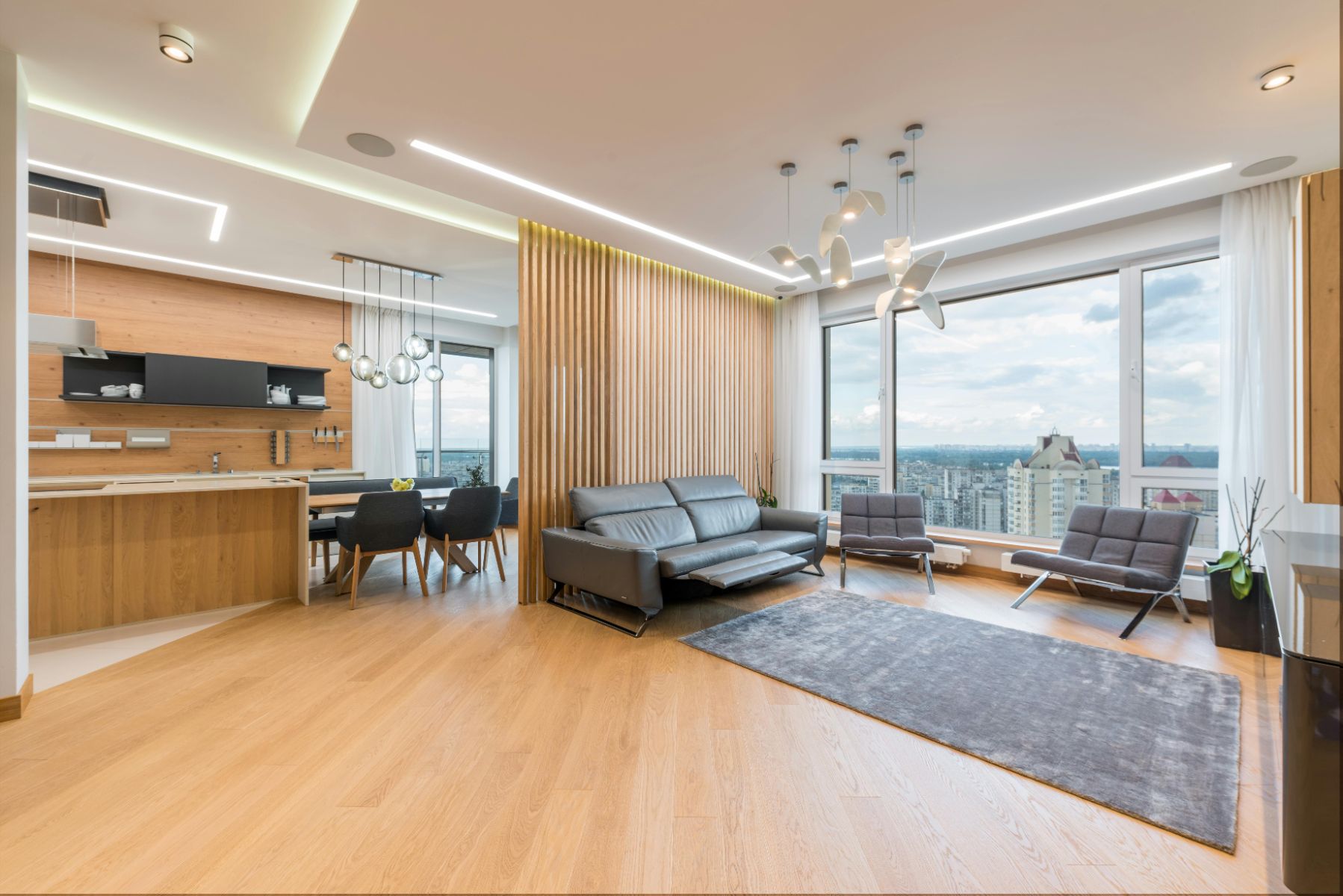
Hardwood stands out for authenticity. Each plank showcases natural variation, creating a one-of-a-kind aesthetic. It can be refinished over time, extending its lifespan significantly. Hardwood excels in living rooms, dining spaces, and areas where timeless elegance is desired.
Laminate offers durability and cost efficiency. Its wear layer protects against scratches and daily wear, making it ideal for active households. Laminate’s realistic visuals make it difficult to distinguish from real wood, especially in open-concept layouts.
Luxury vinyl is the champion of moisture resistance. Waterproof and highly resilient, vinyl performs exceptionally well in kitchens, bathrooms, and basements. Its softer feel underfoot adds comfort without sacrificing durability.
When planning a full remodel, many homeowners choose a combination of these materials. Hardwood may anchor main living areas, vinyl may protect moisture-prone spaces, and laminate may provide cost-effective style in secondary rooms.
Transitions between materials should feel seamless. Professional installation ensures consistent heights, proper underlayment, and smooth thresholds.
Lighting also influences selection. Natural light enhances hardwood grain, while laminate and vinyl reflect patterns differently depending on finish.
Budget plays a role, but long-term performance should guide decisions. Investing in the right material for each room prevents costly replacements down the line.
At EFS Flooring America in McKinney, TX, expert guidance helps homeowners compare options side by side. Serving McKinney, Melissa, Anna, Salina, Allen, Princeton, Frisco, Prosper, and Plano, the team supports both flooring updates and full remodeling projects.
Choosing the right surface isn’t about picking one “best” option — it’s about matching performance with lifestyle and design goals.


