

One of the hardest decisions in a whole-home remodel is deciding whether every room should have the same flooring. There is something appealing about complete consistency, but different rooms often have very different requirements. A bedroom may benefit from softness, a living room may call for the character of hardwood, and a busy area may need a practical hard-surface option. The answer is not always to choose one material for everything. Sometimes the better strategy is to create a flooring plan that gives each part of the home the material that suits it best.
For homeowners in McKinney, TX, planning a larger remodeling project, EFS Flooring America offers choices across vinyl flooring, carpet, hardwood, and laminate. The challenge is not simply deciding which flooring is attractive. It is understanding how each category can contribute to the overall home.
Start by Dividing the Home Into Zones
Before looking at individual products, consider how the home is divided by function. Public areas such as living rooms, dining spaces, and entryways often have different requirements from private spaces such as bedrooms. Kitchens, bathrooms, hallways, offices, and stairs introduce additional considerations.
Once the home is divided into functional zones, flooring choices become easier to evaluate. Instead of asking, “What is the best flooring?” homeowners can ask, “What flooring makes the most sense here?” That small change in thinking can lead to much better decisions.
The goal is not to create a house where every room looks completely different. It is to create a property where each flooring choice has a purpose while the overall color and design direction remain connected.
Where Hardwood Makes the Biggest Impact
Hardwood is often at its strongest in spaces where homeowners want the floor itself to contribute natural character. Living rooms, dining rooms, offices, hallways, and open-concept areas can all provide opportunities for hardwood to become a major design element.
Solid hardwood can create a particularly strong foundation for a larger remodeling project. Its natural grain and variation give the room a material quality that can work with both traditional and contemporary interiors.
Homeowners can also consider custom-finished or hand-scraped hardwood when they want the floor to have a more distinctive personality. Rather than simply selecting a standard color, the homeowner can think about how the wood will interact with cabinetry, wall colors, furniture, and natural light.
When Carpet Still Makes Perfect Sense
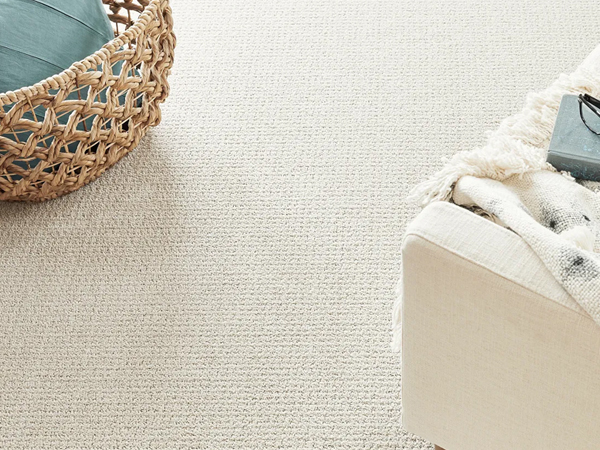
Hard-surface flooring has become extremely popular, but that does not mean carpet has lost its place in the home. Bedrooms, children's rooms, media rooms, and other spaces can benefit from the warmth and softness that carpet provides.
Walking across carpet barefoot creates a completely different experience from walking across a hard surface. It can also help establish a quieter, more comfortable atmosphere in rooms designed for relaxation.
Rather than treating carpet as a flooring material that belongs only in older homes, homeowners can use it strategically within a modern remodel. A neutral carpet in a bedroom can provide contrast against hardwood throughout the main living areas, creating a subtle change between public and private spaces.
Laminate Can Give You Design Flexibility
Laminate flooring can be useful when homeowners want the visual character of a wood-inspired floor while considering another category of hard-surface flooring. Modern laminate comes in a variety of colors, patterns, plank dimensions, and visual styles.
This makes it possible to coordinate laminate with existing hardwood without requiring the two floors to look identical. A similar undertone or plank appearance can help establish a relationship between materials used in different parts of the home.
Laminate can be especially useful in remodeling plans where homeowners want a consistent visual direction but need different flooring solutions for different rooms.
Why Vinyl Deserves a Place in the Plan
Vinyl flooring has developed far beyond the basic patterns many homeowners remember. Today's options can offer wood-inspired or stone-inspired appearances in a variety of colors and formats, giving homeowners another way to create a polished interior.
Vinyl can be particularly worth considering when a room has practical requirements that influence the flooring decision. Kitchens, utility areas, and other active spaces may benefit from a flooring category designed with everyday use in mind.
The important thing is to select a product appropriate for the specific room and follow the manufacturer's recommendations for installation, maintenance, and use.
Don't Force Every Room to Match
There is a difference between consistency and uniformity. A home can feel cohesive without having exactly the same flooring everywhere. In fact, using the same material throughout every room can sometimes make it harder to create the distinct atmosphere each space needs.
Instead, look for connections. Maybe the hardwood in the living room has a warm brown tone that is repeated in the laminate used elsewhere. Perhaps the carpet is a neutral shade that complements both. Vinyl can introduce another surface while remaining within the same general color family.
These relationships are often enough to make different flooring categories feel like parts of one overall design.
Transitions Should Be Planned Early
When multiple flooring types are used in one home, transitions become an important design consideration. Doorways, hallways, stairs, and changes between open spaces all need to be planned carefully.
The transition should look intentional rather than like two unrelated floors simply happened to meet. This is another reason to select materials at the same stage of the remodeling project. Seeing samples together can make it easier to evaluate whether colors, textures, and plank sizes complement one another.
Consider the Furniture Before Finalizing the Floor
Flooring is not viewed in an empty room once the project is complete. Furniture, rugs, artwork, cabinetry, and lighting will all sit on top of or around it. A floor that looks dramatic in an empty showroom may become much quieter once furniture is introduced.
Conversely, a subtle floor may become the perfect foundation for colorful furnishings. Homeowners should consider how much attention they want the flooring to receive and whether they plan to use area rugs that will cover portions of the surface.
Think About the Future, Not Just the Remodel
A flooring plan should make sense beyond the day of installation. Consider how your household may change over the next several years. Will rooms have different purposes? Are children growing? Will a home office become a guest room? Are you planning to replace furniture later?
Neutral and versatile flooring can provide flexibility, while distinctive custom hardwood can establish a more permanent design identity. Neither approach is universally right. The best choice depends on how you expect to use the home.
Flooring Can Be the Starting Point for a Bigger Transformation
When homeowners are already considering multiple flooring types, it may be a sign that the project deserves a broader remodeling conversation. Flooring can reveal opportunities to update paint, trim, doors, cabinetry, lighting, or room layouts at the same time.
A full remodeling plan does not have to mean replacing everything. It means looking at the home as a connected system and deciding which changes will provide the greatest improvement in function and appearance.
Build a Flooring Plan Instead of Picking Floors Room by Room
The best whole-home flooring decisions are rarely made one room at a time. They begin with a broader vision of how the property should feel. Hardwood can provide natural character, carpet can bring softness, laminate can offer design flexibility, and vinyl can provide another practical hard-surface solution.
When these materials are selected together, the result can be a home where every room feels appropriate while the overall design remains connected. That is especially valuable during a larger renovation, when the objective is not simply to replace old surfaces but to create a home that feels intentionally designed.
For homeowners in McKinney, Melissa, Anna, Salina, Allen, Princeton, Frisco, Prosper, and Plano, TX, EFS Flooring America can help you explore carpet, hardwood, laminate, vinyl, solid hardwood installation, custom hardwood flooring, hand-scraped hardwood, and refinishing options as part of a broader remodeling vision. If you are searching for flooring or remodeling help in your area, contact EFS Flooring America to discuss your project.


