
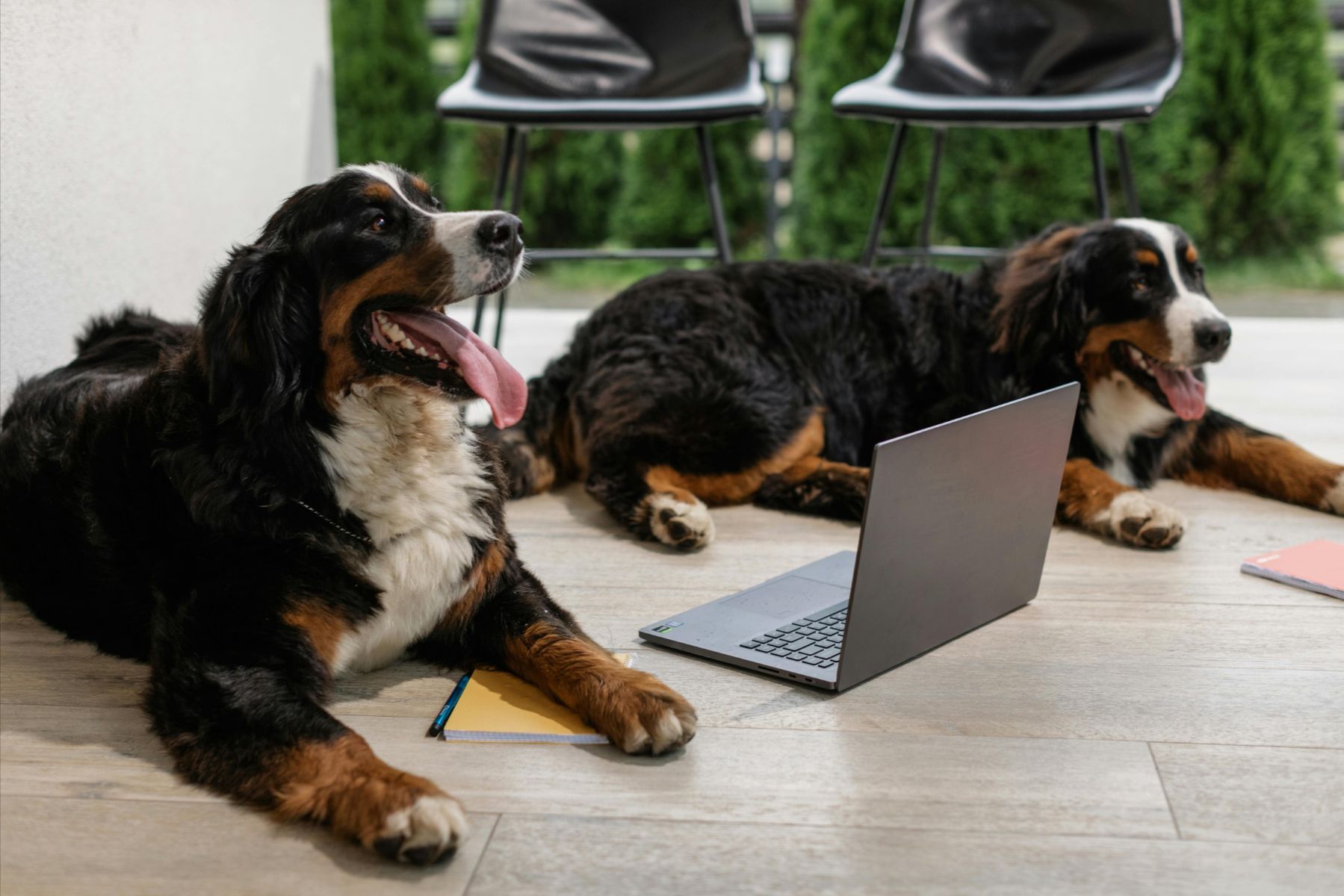
Every pet parent knows the struggle. You fall in love with beautiful flooring at a showroom, imagining how stunning it will look in your home, and then reality hits. You remember your 80-pound Labrador who thinks he's a sprinter every time the doorbell rings. You think about your cat's impressive claw collection and your puppy's occasional accidents during training. Suddenly, that gorgeous hardwood doesn't seem quite as appealing.
But here's the good news that many homeowners in North Texas don't realize: pet-friendly flooring has evolved dramatically over the past decade. You no longer need to choose between protecting your investment and creating a beautiful home. Modern flooring technologies have revolutionized what's possible, and today's options deliver durability, easy maintenance, and head-turning aesthetics all in one package.
Living with pets in Texas presents unique challenges that homeowners in other regions might not face. The combination of hot summers, occasional mud from sudden rainstorms, and the dust that seems to settle on everything means your flooring works overtime. Add energetic pets to the mix, and you need flooring that can truly handle life's messiest moments while still making your home a showplace.
Understanding What Pets Really Do to Your Floors
Before diving into the best flooring options for pet owners, it's worth understanding exactly what kind of wear and tear our furry friends inflict on our floors. This knowledge helps you make smarter decisions and set realistic expectations.
Scratches represent the most visible damage pets cause. Dogs' nails, even when trimmed regularly, create micro-scratches that accumulate over time. Larger dogs and those who get the "zoomies" cause more significant damage because of the force they exert while running and turning. Cats, while lighter, have sharper claws that can dig into softer materials.
Moisture damage comes primarily from accidents but also from water bowls, drool, and wet paws. Dogs coming in from rain or after playing in sprinklers track significant moisture across floors. This water, if it seeps into certain flooring materials, causes warping, staining, and even mold growth beneath the surface.
Staining occurs from various sources including accidents, vomit, food spills, and even the oils in pet fur. Some stains are immediately visible, while others develop over time, especially on lighter-colored flooring.
Odor absorption might be the sneakiest problem. Certain flooring materials absorb odors from accidents, and once those smells set into your subfloor or flooring material, they're nearly impossible to eliminate completely.
Vinyl Flooring: The Champion of Pet-Friendly Options
If there's one flooring type that has genuinely revolutionized pet ownership, it's modern luxury vinyl. Today's vinyl flooring looks nothing like the thin, cheap material your grandmother might have had in her kitchen. Luxury vinyl plank and luxury vinyl tile have transformed this category into a premium flooring option that happens to be incredibly practical.
Vinyl's waterproof nature makes it the gold standard for pet accidents. Unlike hardwood or laminate, water sits on the surface rather than seeping through. This gives you time to clean up messes properly without panicking about permanent damage. For puppy parents in the midst of house training, this feature alone justifies choosing vinyl.
The scratch resistance of quality vinyl flooring surprises many homeowners. The wear layer on premium vinyl products can withstand significant abuse from pet nails. While no floor is completely scratch-proof, vinyl hides and resists scratches far better than many alternatives. Some vinyl products even feature enhanced scratch-resistant coatings specifically designed for active households.
Cleaning vinyl couldn't be simpler. Regular sweeping or vacuuming removes pet hair and debris, while occasional mopping handles any tracked-in dirt or dried accidents. You won't need special cleaners or extensive maintenance routines. This easy-care nature means you spend less time worrying about your floors and more time enjoying your pets.
The design options in vinyl have exploded in recent years. You can find vinyl that convincingly mimics exotic hardwoods, natural stone, ceramic tile, and even concrete. The texture technology has advanced so much that many vinyl floors feel remarkably like the materials they imitate. Guests often can't tell the difference between quality vinyl and the real thing.
Laminate Flooring: Budget-Friendly and Surprisingly Durable
Laminate flooring offers another excellent option for pet owners, particularly those seeking the look of hardwood without the associated maintenance concerns. Modern laminate features a tough wear layer that resists scratches better than many natural wood floors.
The construction of laminate flooring includes a photographic layer that can replicate virtually any wood species or pattern. Above this sits a clear wear layer that protects against damage. Quality laminate products feature aluminum oxide in this wear layer, dramatically increasing scratch resistance and durability.
For pet owners, laminate's sealed surface prevents stains from setting in quickly. While laminate isn't waterproof like vinyl, many newer products feature water-resistant cores and edges that provide protection during normal household accidents. Quick cleanup remains essential, but you have a reasonable window to address spills before damage occurs.
One advantage laminate has over some other options is its firmness underfoot. Dogs with joint issues or older pets often navigate firmer surfaces more confidently than softer flooring. The stability laminate provides can benefit pets who struggle with slippery surfaces.
Price point makes laminate attractive for pet owners who want great looks without significant investment. Because pets do cause wear over time, some homeowners prefer installing less expensive flooring they can replace more readily. Laminate delivers impressive style at accessible prices.
Carpet Considerations for Pet Households
Many pet owners assume carpet is completely off the table, but this isn't necessarily true. The right carpet, properly selected and maintained, can work wonderfully in homes with pets. The key lies in choosing appropriate materials and understanding which rooms truly work for carpet installation.
Solution-dyed nylon and polyester carpets offer excellent stain resistance. The color in these carpets penetrates the entire fiber rather than sitting on the surface, making them remarkably resistant to bleaching and staining. Even the most stubborn pet stains typically lift from these materials with proper cleaning techniques.
Carpet actually offers some advantages for pet households that hard surfaces can't match. The cushioning protects older pets' joints and provides a soft landing for puppies still mastering their coordination. The texture gives pets better traction than slick hard floors, reducing the sliding and scrambling that can injure dogs.
For households with both pets and young children, carpet's sound-dampening properties create a quieter environment. The thundering of dog paws across hard floors becomes a soft patter on carpet. This acoustic benefit shouldn't be overlooked in busy households.
The strategy many pet owners employ involves using carpet strategically rather than throughout the entire home. Bedrooms, media rooms, and upstairs areas work well for carpet, while high-traffic zones and areas near exterior doors feature hard-surface flooring. This hybrid approach delivers the comfort of carpet where it makes sense while protecting vulnerable areas.
Pet-specific carpet options have entered the market in recent years. These products feature antimicrobial treatments, enhanced stain protection, and even built-in odor resistance. For dedicated pet parents who love carpet, these specialized options merit serious consideration.
Hardwood Flooring: Making It Work With Pets
Hardwood remains the dream flooring for many homeowners, and pet ownership doesn't necessarily mean abandoning that dream. Success with hardwood in pet households requires smart species selection, appropriate finishes, and realistic expectations about maintenance.
Harder wood species handle pet traffic better than softer alternatives. The Janka hardness scale measures wood's resistance to denting and wear. Species like hickory, Brazilian cherry, and maple score high on this scale and resist pet nail damage better than softer woods like pine or fir. If hardwood is your heart's desire, choosing appropriately hard species matters tremendously.
Finish selection impacts durability significantly. Aluminum oxide finishes provide excellent scratch resistance. Matte and satin finishes hide minor scratches better than high-gloss options, which show every imperfection. Some manufacturers offer finishes specifically designed for active households and pet owners.
The reality of hardwood with pets involves accepting that some wear will occur. The good news is that hardwood can be refinished multiple times throughout its lifespan. This ability to sand away damage and apply fresh finish means your hardwood investment can look beautiful for decades, even with pets.
Engineered hardwood offers an alternative worth considering. These products feature real hardwood veneer over a dimensionally stable core. They provide the genuine wood look and feel while offering better resistance to moisture and temperature changes than solid hardwood. For pet owners in North Texas, where humidity levels fluctuate, engineered options often perform better long-term.
Creating a Whole-Home Flooring Strategy
The most successful approach for pet owners typically involves strategic flooring choices throughout the home rather than a single flooring type everywhere. Understanding how you and your pets use different spaces helps determine the best material for each area.
Entryways and mudrooms need the toughest, most water-resistant flooring you can find. These spaces catch the initial mess when pets come inside. Vinyl or tile makes the most sense here, with texture that provides traction for wet paws.
Kitchens require flooring that handles both pet messes and cooking spills. Waterproof options shine in this space. The combination of pet water bowls, potential accidents, and cooking activities makes moisture resistance essential.
Living areas see the most general traffic and often host pets' favorite lounging spots. Your choice here depends on your lifestyle and preferences, but durability should remain a priority. Any flooring type can work with appropriate selection.
Bedrooms often accommodate more delicate flooring choices since pets may have limited access or behave more calmly in these spaces. Carpet provides comfort and warmth, while hardwood offers timeless elegance.
Basements present unique challenges due to potential moisture issues. Vinyl performs exceptionally well in below-grade installations where moisture might be a concern.
Professional Installation: Why It Matters for Pet Owners
Professional installation becomes even more critical when pets are part of the equation. Proper installation eliminates gaps where moisture could seep through, ensures secure seams that won't lift or separate, and creates a smooth surface that's easy to clean thoroughly.
Subfloor preparation plays a crucial role in flooring longevity. Professionals ensure your subfloor is level, clean, and properly prepared for your chosen flooring. This preparation prevents problems that could develop over time and compromise your floor's pet-resistance.
Transition strips between different flooring types must be installed correctly to prevent tripping hazards for both humans and pets. Professional installers ensure these transitions are smooth and secure.
Maintenance Tips for Pet Owners
Regardless of which flooring you choose, consistent maintenance extends its life and keeps your home looking beautiful. Establish routines that address the specific challenges pets present.
Regular nail trimming ranks as the single most effective thing you can do to protect any flooring. Keep your pets' nails short and smooth to minimize scratching. Consider nail caps for cats who resist trimming.
Place mats at all entrances to catch dirt and moisture before it spreads throughout your home. Train pets to wait on these mats for paw wiping after outdoor activities.
Clean accidents immediately using appropriate products for your flooring type. Enzyme-based cleaners work best for pet accidents as they break down the proteins that cause odors and staining.
Vacuum or sweep frequently to remove pet hair, dander, and tracked-in debris. This regular maintenance prevents scratching from gritty particles and keeps your home healthier.
At EFS Flooring America in McKinney, Texas, we understand the unique challenges pet owners face when selecting flooring. Our experienced team helps families throughout McKinney, Melissa, Anna, Celina, Allen, Princeton, Frisco, Prosper, and Plano find flooring solutions that accommodate their furry family members without compromising on style. Beyond flooring selection, our general contractor services enable us to handle complete room remodeling projects, ensuring your new pet-friendly floors integrate seamlessly with your overall home design. Visit our showroom to explore the incredible range of pet-friendly options available and discover how beautiful and practical your floors can be.


