

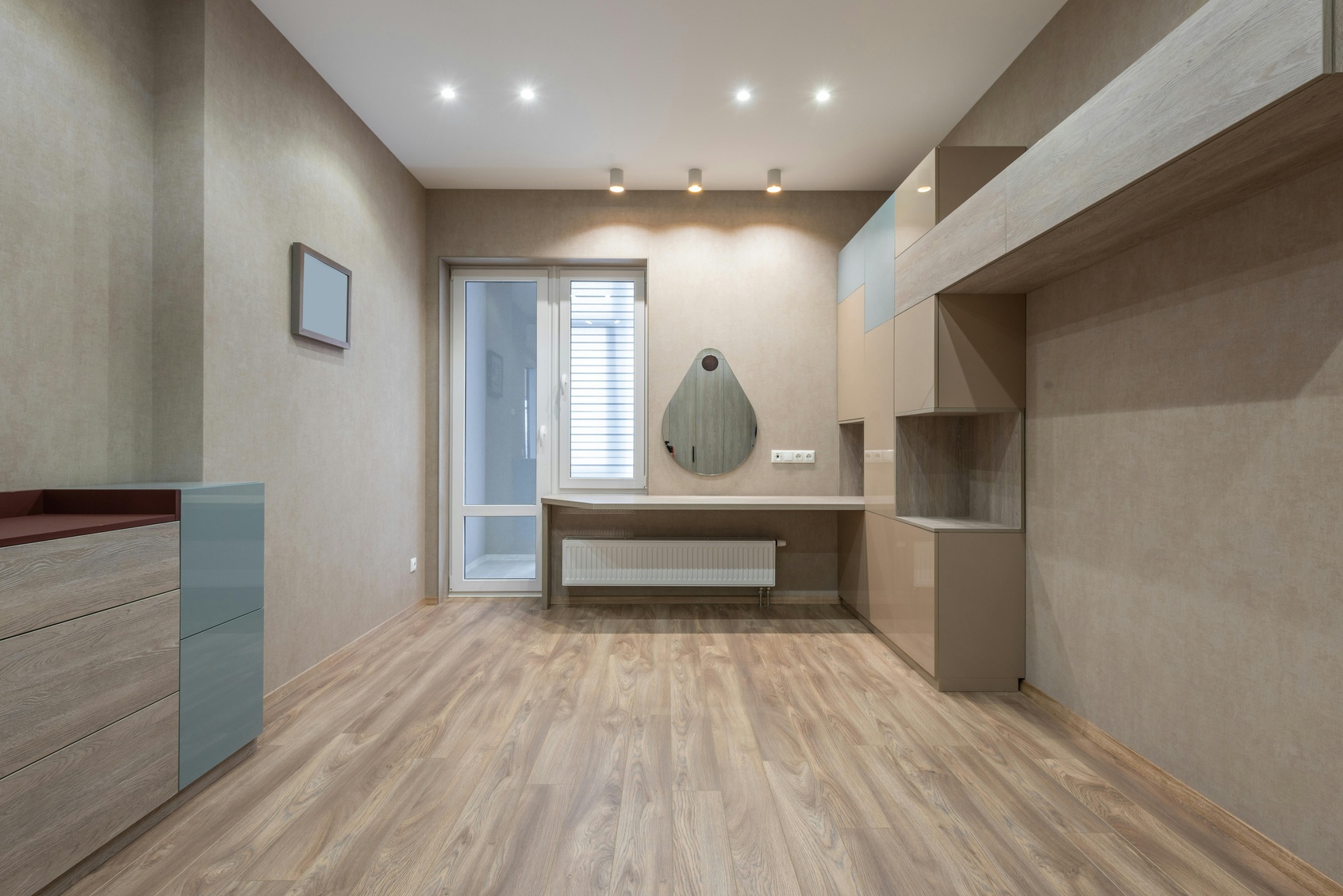
The moment you signed the papers on your fixer-upper, you saw past the outdated finishes, worn flooring, and questionable design choices. You envisioned the potential hiding beneath decades of neglect or simply different taste. Now comes the exciting part—transforming that vision into reality.
Renovating a fixer-upper differs significantly from building new or even updating a well-maintained home. You're working with existing conditions that may include uneven subfloors, previous water damage, multiple flooring types from various eras, and surprises lurking beneath surface materials. This complexity makes renovation both challenging and deeply rewarding when done right.
North Texas fixer-uppers present their own unique circumstances. Homes in the region span from mid-century ranches to 1990s tract homes to early 2000s developments, each with characteristic flooring situations. The climate, soil conditions, and building practices of different eras all influence what you'll discover and what solutions work best.
Assessment: Understanding What You're Working With
Before purchasing a single plank or tile, thorough assessment sets the foundation for successful renovation. What exists in your fixer-upper tells a story and guides your decisions.
Start by identifying every flooring type currently in the home. Many fixer-uppers feature a patchwork of materials—original hardwood in formal rooms, vinyl in kitchens and baths, carpet over unknown substrates in bedrooms. Each type requires different removal approaches and may reveal different conditions beneath.
Test for asbestos in homes built before 1980. Vinyl flooring, linoleum, and the adhesives used to install them sometimes contained asbestos. Professional testing before demolition protects your family and ensures proper handling if hazardous materials exist.
Examine subfloor conditions throughout the home. Look for signs of water damage including staining, soft spots, warping, and musty odors. Check for levelness using a long straightedge or laser level. Note any squeaks, which indicate loose subfloor sections or inadequate fastening.
Evaluate floor heights and transitions between rooms. Fixer-uppers often have varying floor heights due to previous renovations or different original flooring types. Understanding these height differences helps plan transitions and may influence material choices.
Document everything with photos and measurements. This documentation proves invaluable during material selection and helps contractors understand the scope of work before providing estimates.
Kitchen Renovations: Where Function Meets Beauty
Kitchens in fixer-uppers often need the most dramatic transformations. Outdated flooring, worn cabinets, and inefficient layouts characterize many older kitchens. Flooring selection here must balance beauty, durability, and practical considerations.
Consider the kitchen's role in your household. For serious home cooks, flooring that's comfortable for standing extended periods matters. For families with young children, easy cleanup becomes paramount. For entertainers, flooring that complements gathering spaces and handles heavy traffic works best.
Luxury vinyl plank has become the go-to kitchen flooring for many renovators. Its waterproof nature handles inevitable spills and splashes without concern. The durability withstands dropped utensils and heavy appliances. The style options range from modern concrete looks to rustic farmhouse wood appearances.
Laminate flooring offers another excellent kitchen option, particularly for budget-conscious renovators. Modern laminate resists moisture better than older products, though standing water should still be addressed quickly. The realistic wood and stone visuals available in laminate deliver high-end looks at accessible prices.
For those pursuing authentic materials, engineered hardwood can work in kitchens with appropriate precautions. Mats near sinks and appliances, prompt spill cleanup, and proper sealing protect the investment. Many homeowners find the warmth and character of real wood worth the extra care.
When renovating a kitchen completely, consider the flooring installation sequence. Generally, flooring should be installed before cabinets for a cleaner look and easier future renovations. However, this approach requires more flooring material. Discuss sequencing with your contractor to determine the best approach for your specific project.
Living Spaces: Creating Cohesive Flow
Living rooms, family rooms, and dining areas often anchor a fixer-upper renovation. These spaces set the tone for your home and typically receive the most traffic. Flooring choices here significantly impact your daily experience and home's overall aesthetic.
Open floor plans, popular in both modern renovations and many North Texas homes, benefit from consistent flooring that flows through connected spaces. Using the same flooring from entry through kitchen, dining, and living areas creates visual continuity and makes spaces feel larger.
Hardwood flooring remains the gold standard for living spaces, adding warmth, value, and timeless appeal. In fixer-uppers, you may discover original hardwood hiding beneath carpet or other materials. Refinishing existing hardwood, when in reasonable condition, often proves more economical and characterful than replacement.
If original hardwood isn't salvageable or doesn't exist, new hardwood installation transforms living spaces. Consider species that complement your home's era and your personal style. Traditional oak suits many aesthetics, while maple offers contemporary brightness and hickory brings rustic character.
For renovators wanting hardwood looks with enhanced practicality, engineered hardwood and luxury vinyl plank provide excellent alternatives. These materials handle the temperature and humidity fluctuations common in North Texas better than solid hardwood in some situations.
Area rugs soften hard flooring and define conversation areas within larger spaces. Plan for rugs during flooring selection—consider how rug colors will interact with your flooring choice and ensure transitions between flooring and rugs work well for traffic patterns.
Bedroom Retreats: Comfort and Calm
Bedrooms in fixer-uppers often feature worn carpet or dated flooring that fails to create the peaceful retreat you desire. Transforming these spaces requires balancing comfort, quiet, and personal style.
Carpet remains a popular bedroom choice for good reasons. The soft surface feels wonderful underfoot during nighttime bathroom trips. The acoustic dampening creates a quieter sleeping environment. The insulating properties keep bedrooms warmer in winter. Quality carpet in bedrooms provides comfort that hard surfaces simply can't match.
For those preferring hard flooring in bedrooms, area rugs beside beds provide the softness you need where you need it. This approach works well in master bedrooms where the rug anchors the bed and creates a defined sleeping zone.
Hardwood flooring in bedrooms adds elegance and value. Bedrooms typically see gentler treatment than common areas, making them appropriate for even softer wood species. The natural warmth of wood creates an inviting atmosphere perfect for rest.
Laminate flooring offers bedroom-appropriate durability at budget-friendly prices. The variety of styles available ensures you'll find options matching any bedroom aesthetic from modern minimalist to traditional romantic.
Consider bedroom flooring in context of closets and en-suite bathrooms. Extending bedroom flooring into walk-in closets creates continuity, while bathrooms require water-resistant materials. Plan transitions between these spaces carefully for seamless flow.
Bathroom Transformations: Waterproof Excellence
Bathrooms in fixer-uppers frequently harbor hidden problems. Water exposure over years creates damage to flooring, subfloors, and even structural elements. Renovating these spaces requires addressing existing damage and selecting materials that prevent future issues.
Before selecting flooring, assess your bathroom's current condition thoroughly. Look for soft spots around toilets, tubs, and showers—these indicate subfloor damage requiring repair before new flooring installation. Check for mold or mildew, which suggest ongoing moisture problems needing resolution.
Luxury vinyl tile and plank have revolutionized bathroom flooring. These waterproof materials handle bathroom environments effortlessly while offering stunning visuals. The variety of styles includes realistic stone looks perfect for spa-inspired bathrooms and clean modern designs ideal for contemporary spaces.
Sheet vinyl provides another waterproof bathroom solution, particularly effective in small bathrooms where seamless installation means no grout lines or seams for water penetration. Modern sheet vinyl options have evolved far beyond outdated designs, offering attractive patterns and textures.
Tile remains a classic bathroom choice with undeniable waterproof performance. Ceramic and porcelain tiles handle bathroom moisture excellently when properly installed with appropriate grout. The design possibilities with tile are virtually endless.
For those incorporating hardwood throughout the home, carefully consider bathroom applications. While some engineered products can work in half baths with minimal water exposure, full bathrooms with showers or tubs typically need waterproof flooring to prevent damage over time.
Basement Conversions: Below-Grade Considerations
Many North Texas homes feature basements offering expansion potential. Converting these spaces into living areas presents unique flooring challenges due to below-grade moisture concerns and concrete subfloors.
Moisture testing before flooring installation is essential in basement renovations. Even basements without visible water problems may have moisture vapor transmission through concrete slabs. This moisture damages flooring materials not designed to handle it.
Luxury vinyl flooring excels in basement applications. The waterproof construction handles moisture that would damage other materials. The dimensional stability performs well over concrete. The comfort underfoot improves on cold concrete's hardness.
Engineered hardwood can work in basements with proper moisture mitigation. Floating installation methods allow the floor to move independently from the concrete, while underlayments designed for below-grade use provide moisture barriers and insulation.
Carpet tiles offer another basement flooring option worth considering. Unlike broadloom carpet, tiles can be individually replaced if moisture issues affect specific areas. The modular nature also simplifies installation in spaces with posts or irregular shapes.
Avoid solid hardwood in basements regardless of moisture test results. The expansion and contraction from humidity fluctuation in below-grade spaces causes solid wood to warp, gap, and cup over time.
Whole-Home Renovation Sequencing
When renovating an entire fixer-upper, the sequence of work matters significantly. Flooring installation typically happens toward the project's end, but decisions about flooring influence earlier phases.
Rough work—electrical, plumbing, HVAC modifications—should complete before flooring installation. These trades may damage flooring during their work, and completing their phases first protects your flooring investment.
Wall work including drywall repair, painting, and trim installation generally precedes flooring. Paint drips and drywall dust damage flooring, so completing these messy tasks first makes sense. However, base trim typically installs after flooring.
Cabinet installation timing depends on your approach. As mentioned earlier, flooring first creates cleaner aesthetics and easier future changes, while cabinets first reduces material costs. Discuss your priorities with your renovation team.
Plan flooring material delivery and acclimation time into your schedule. Hardwood and laminate need acclimation periods in your home before installation. Ordering materials well before installation dates prevents project delays.
Budget Strategies for Fixer-Upper Flooring
Fixer-upper renovations require careful budgeting, and flooring represents a significant expense. Smart strategies help maximize your investment.
Prioritize high-traffic and high-visibility areas for premium materials. Living spaces, kitchens, and entries deserve your best flooring choices since these areas most impact daily life and home value. Secondary bedrooms and utility spaces can accommodate more budget-friendly options.
Consider refinishing existing hardwood when possible. Professional refinishing typically costs significantly less than new hardwood installation and preserves original character. Even heavily worn hardwood often refinishes beautifully.
Mix materials strategically based on room function and visibility. Using luxury vinyl in kitchens and baths while installing hardwood in living areas creates a beautiful, practical home without hardwood's higher cost throughout.
Factor installation costs into material comparisons. Some materials require more preparation or skilled installation, affecting total project costs beyond material prices. Get complete installation quotes when comparing options.
Don't forget about subfloor repair in your budget. Fixer-uppers often reveal subfloor issues requiring attention before new flooring installation. Building contingency funds for unexpected repairs prevents budget crises mid-project.
The Value of Professional Renovation Partners
Fixer-upper renovations benefit enormously from experienced professional guidance. The complexity of working with existing conditions, coordinating multiple trades, and making cohesive design decisions exceeds typical home improvement projects.
General contractors who understand flooring provide invaluable perspective during renovation planning. They can identify potential issues before they become problems, suggest solutions you might not consider, and coordinate flooring installation with other renovation phases.
EFS Flooring America in McKinney, Texas serves homeowners throughout McKinney, Melissa, Anna, Celina, Allen, Princeton, Frisco, Prosper, and Plano who are transforming fixer-uppers into dream homes. Our expertise extends beyond flooring selection to include general contractor services and complete remodeling capabilities. Whether you're tackling a single room or renovating an entire home, we provide the guidance, materials, and installation expertise your project demands. Visit our showroom to explore flooring options and discuss how our comprehensive renovation services can bring your fixer-upper vision to life.


